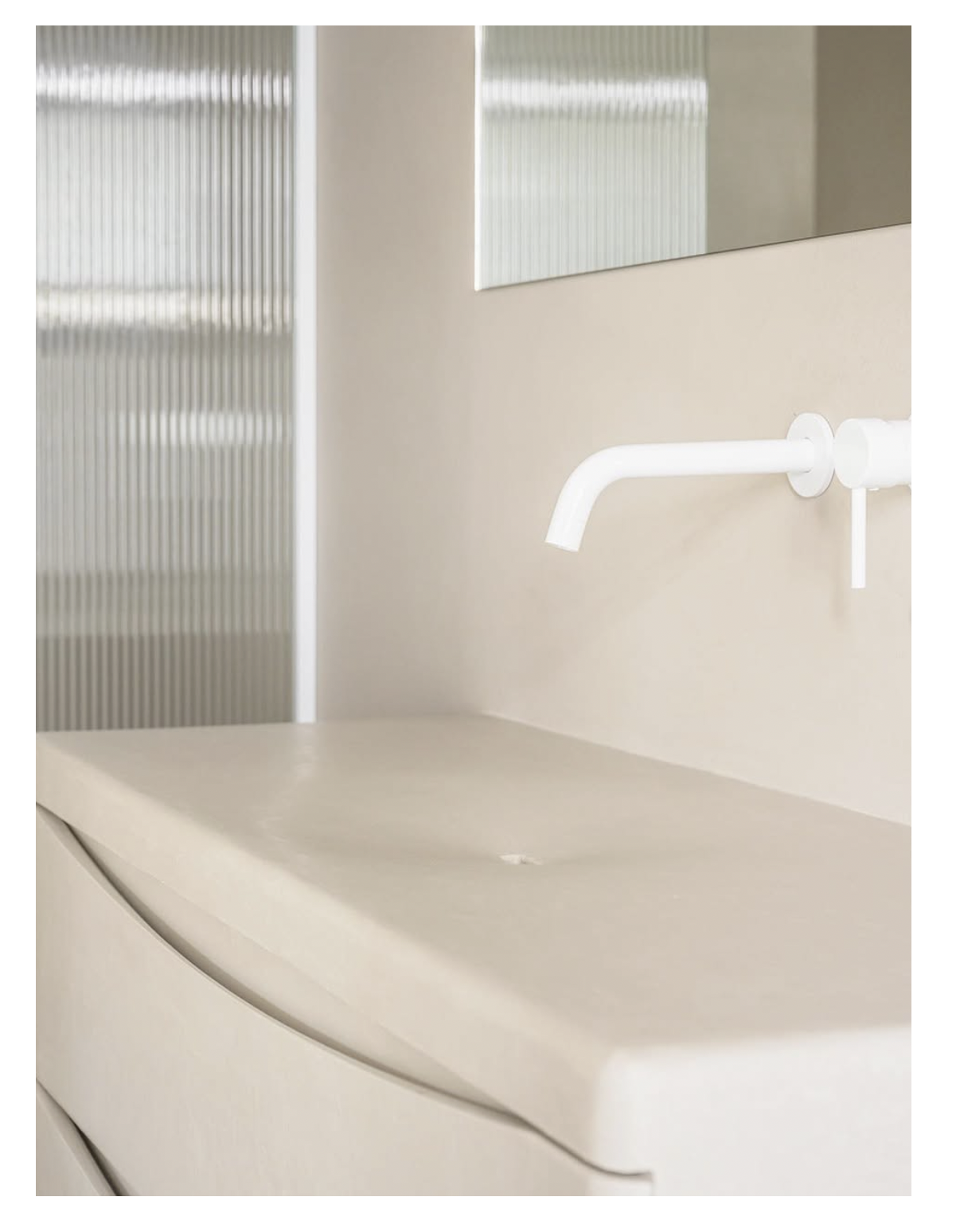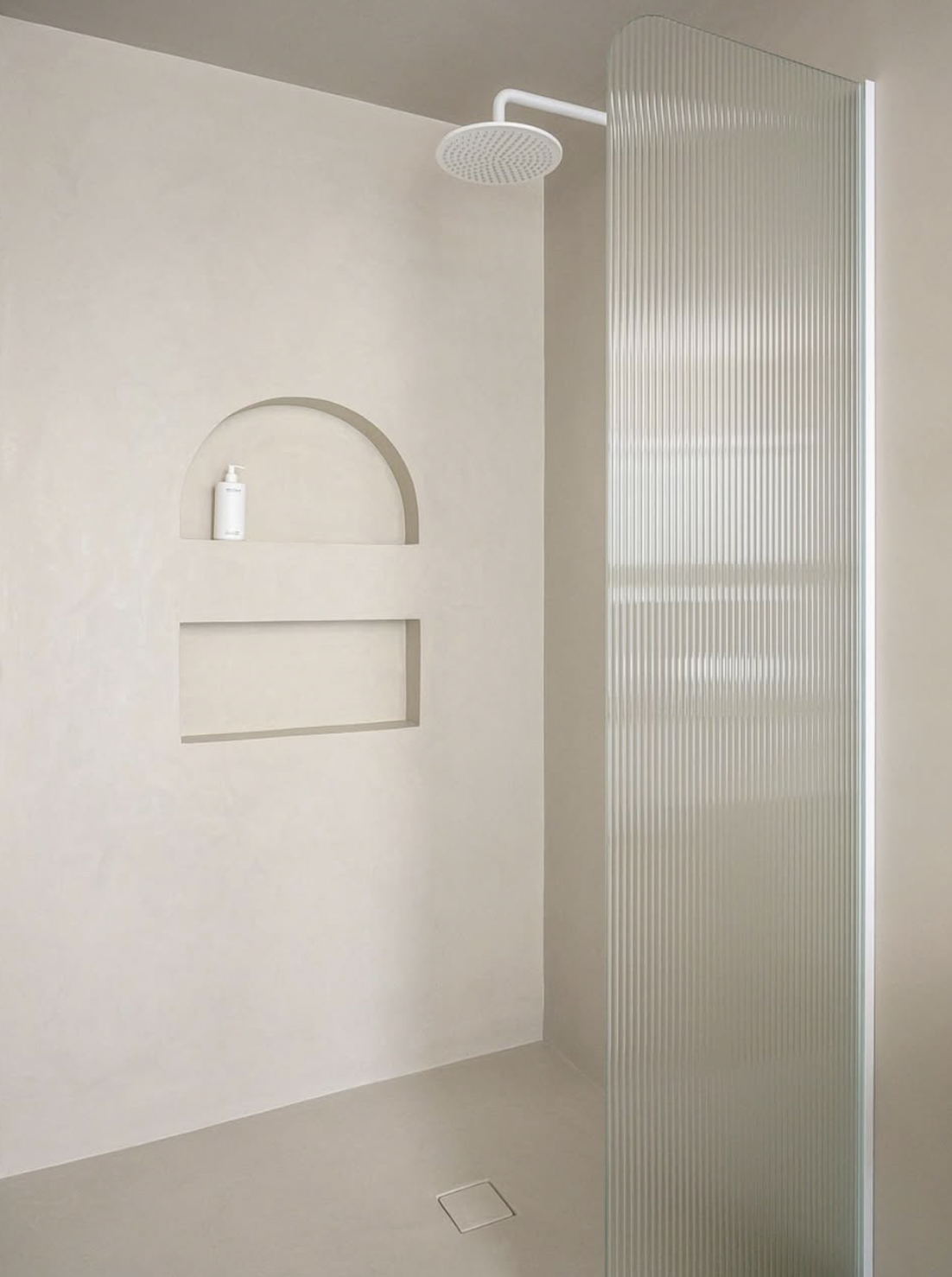
It´s SPA Time! Microcement for wet areas.
Why You Should Never Use Microcement That Is Not 100% Waterproof
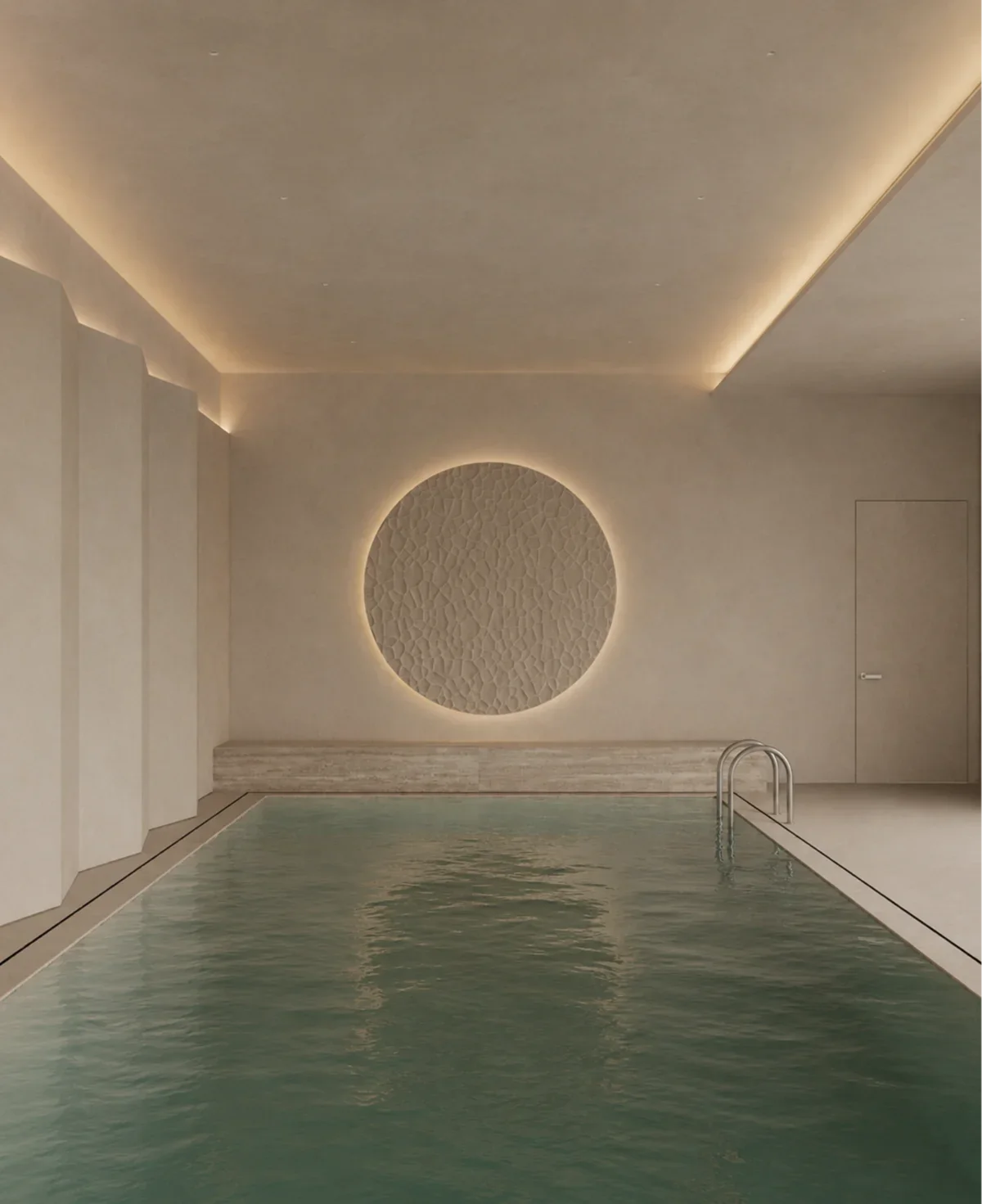
This wellness space was designed as a quiet architectural experience centered around light, texture, and continuity. Finished entirely in seamless microcement, the room uses warm mineral tones and uninterrupted surfaces to create a calm, monolithic atmosphere where the pool becomes the focal point of the space.
Microcement application
Engineered for Humidity, Designed to Endure
Beyond aesthetics, the use of seamless microcement introduces a highly functional performance layer suited for wellness environments. The absence of grout lines minimizes visual noise while improving hygiene and ease of maintenance.
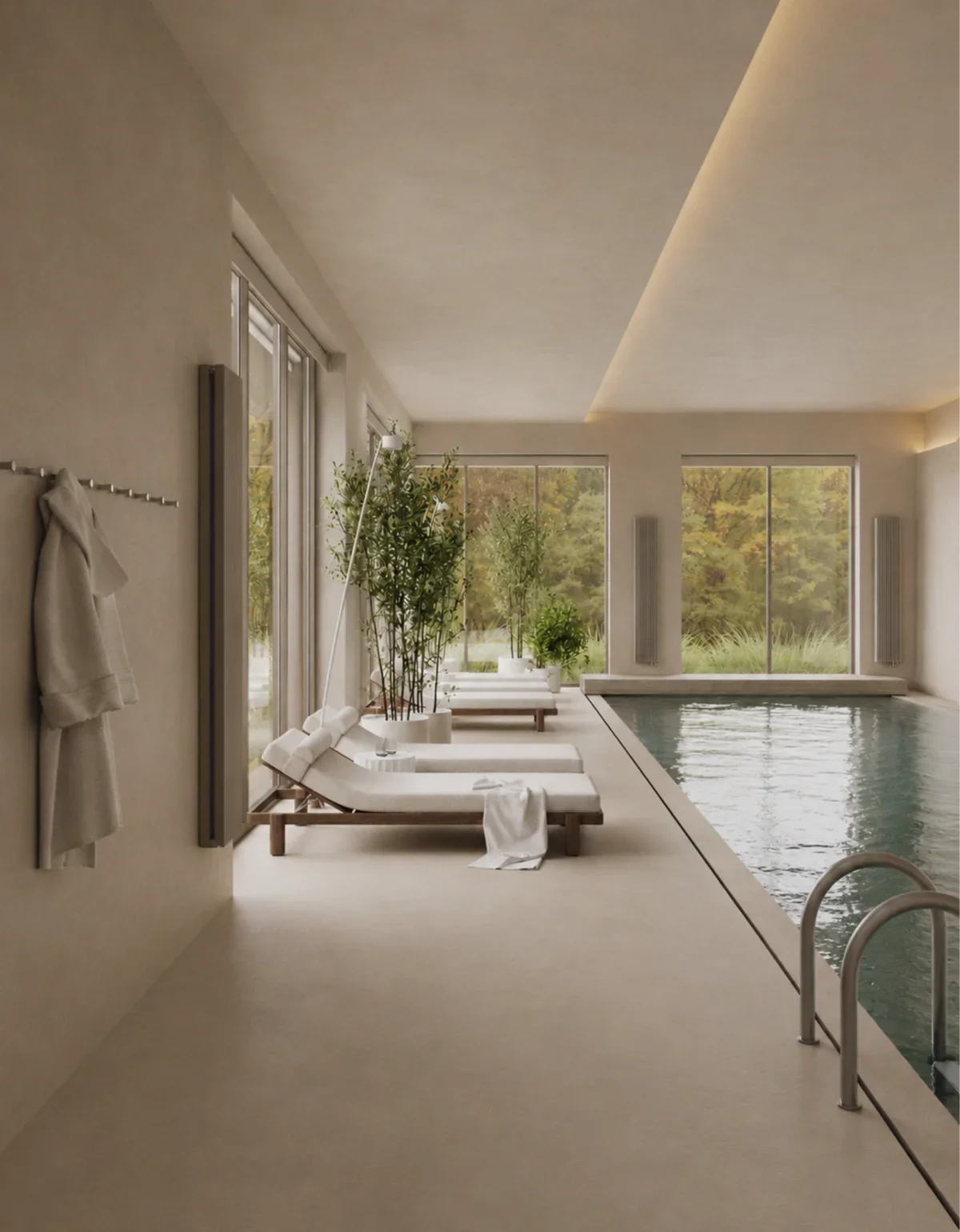
Microcement application
Why designers trust our products:
100% waterproof BEFORE sealer.
Stone-hard & highly scratch-resistant.
Grout-free and easy to clean
Extremely resistant to stains
Low VOC and solvent-free
UV-stable and non-fading
36PTV slip-resistance
Always professionally installed by our extremely talented and dedicated crews!
Performance Perspective
From a performance perspective, high-quality microcement systems provide excellent water resistance, durability, and slip resistance. Its thin application thickness also makes it ideal for renovations, allowing existing substrates to be resurfaced without major demolition. For wellness spaces where atmosphere is everything, microcement offers a unique combination of tactile warmth, visual softness, and functional performance that traditional tile systems often cannot achieve.
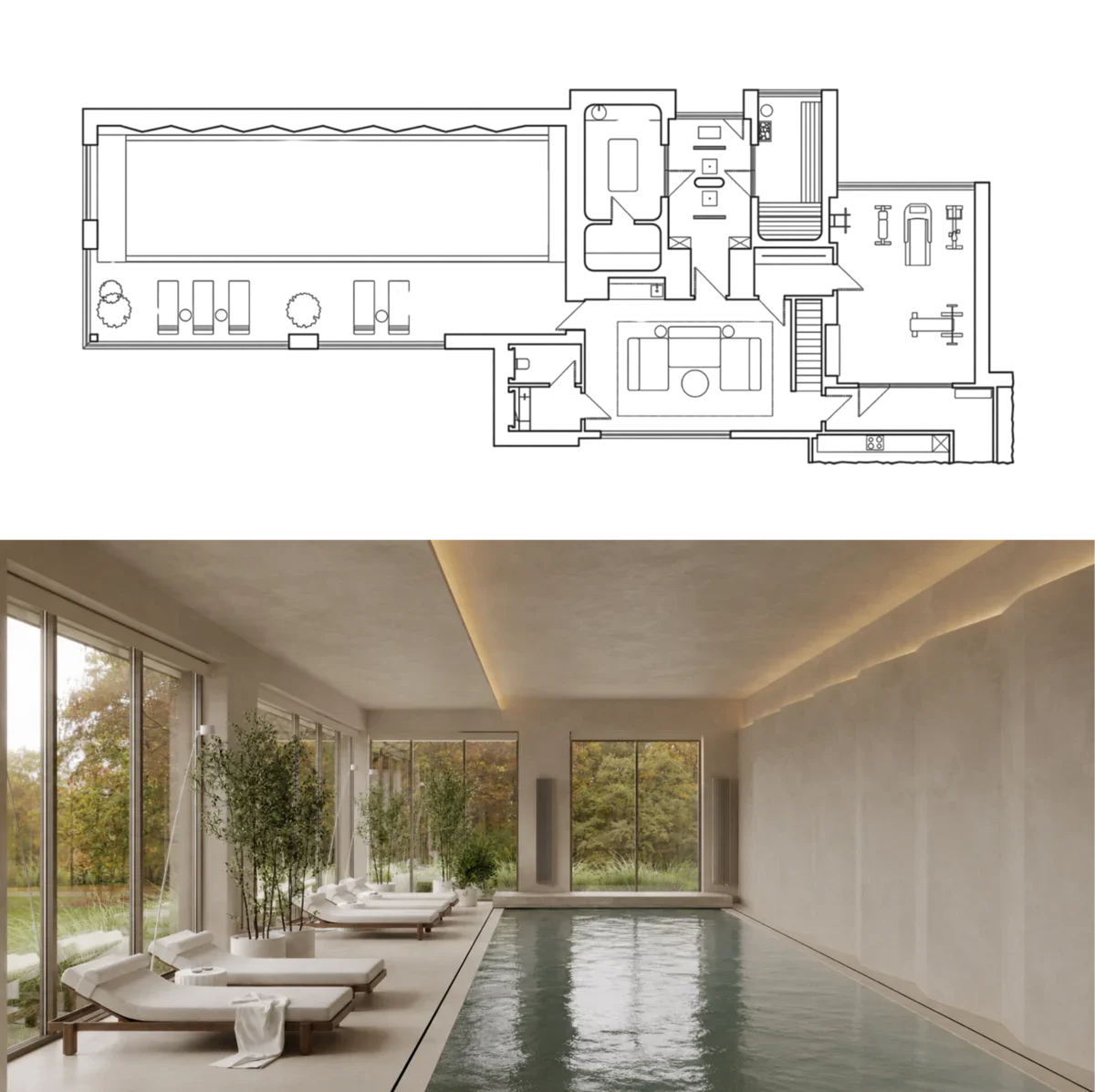
Microcement application
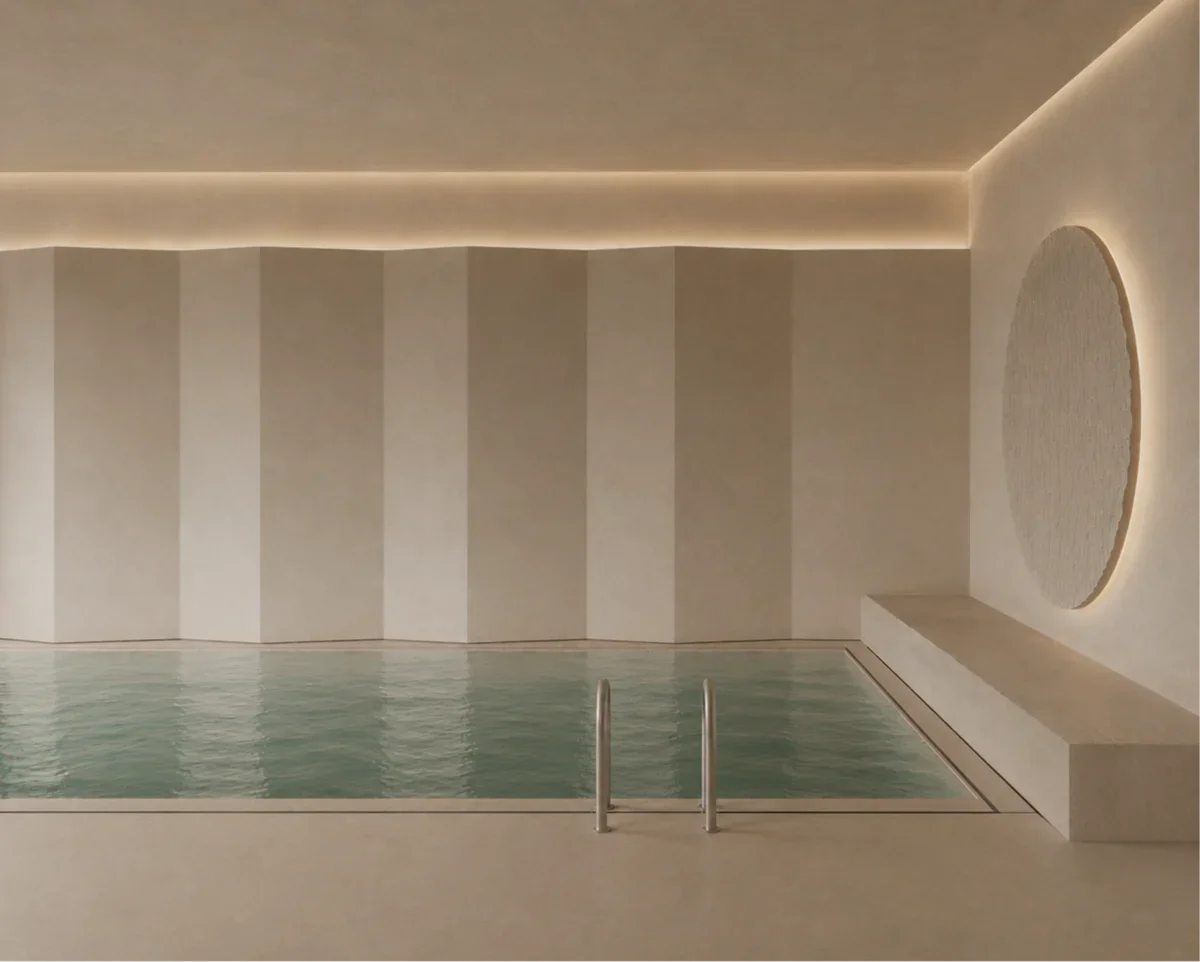
Microcement application
OH AND THERE IS MORE...
Explore the full MICRO collection to discover a range of seamless finishes designed for contemporary architecture and wellness spaces. From soft mineral textures to stone-inspired surfaces and high-performance waterproof systems, each finish is developed to combine refined aesthetics with exceptional durability.
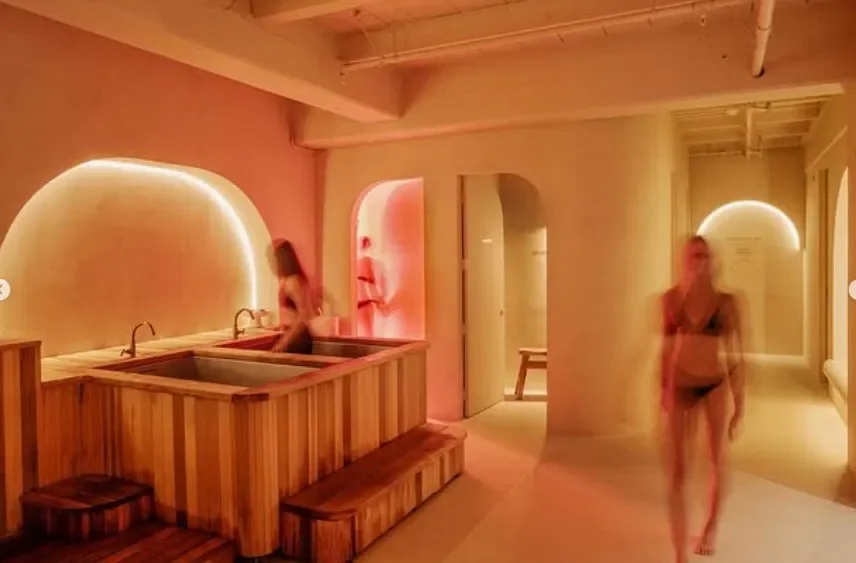
Seamless Serenity: A Microcement Case Study Inside a Modern Recovery Sanctuary
Why You Should Never Use Microcement That Is Not 100% Waterproof
In the world of high-performance wellness, every surface is under pressure. Saunas push humidity and heat to extremes. Ice baths drag temperatures in the opposite direction. Flotation chambers demand absolute hygiene, while chromotherapy alcoves rely on continuous, joint-free planes to bend light into atmosphere. This case study takes us inside SOPRO — a next-generation recovery sanctuary — where Microfinishes' microcement system became the single material capable of holding all of it together.
The architectural brief was ambitious. The space had to flow uninterrupted from a sauna, through a relaxation gallery, into a row of cedar cold plunge tubs, and onward to a private flotation chamber — without breaking visual continuity, without grout lines, and without compromising on the hygiene that wet wellness demands. The answer was a single, seamless envelope of microcement, applied across walls, floors, benches and built-in volumes alike.
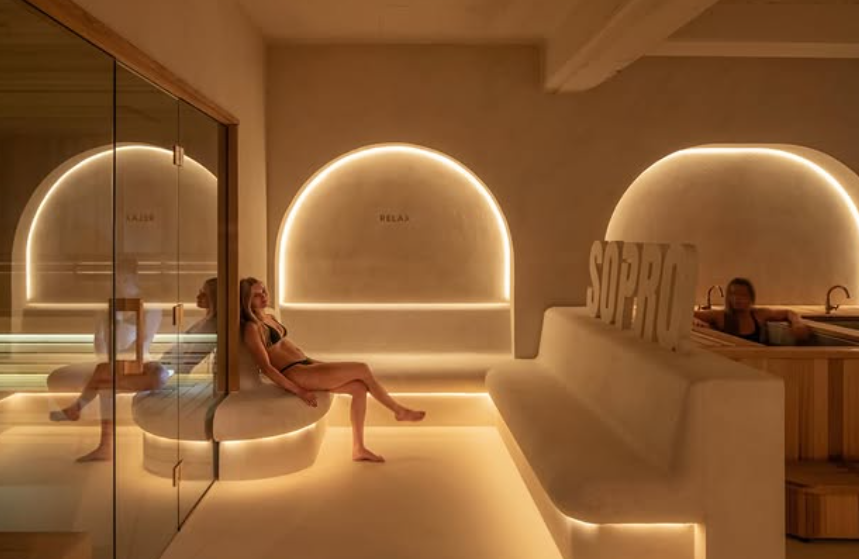
Microcement application
Engineered for Humidity, Designed to Endure
Wet recovery spaces have always been a punishing environment for finishes. Conventional tile depends on grout that absorbs water, harbors bacteria, and cracks under the constant thermal swing between hot saunas and cold immersion. Microfinishes' microcement system eliminates that weak point altogether. Applied in continuous layers of just 2–3 millimeters and protected with high-performance polyurethane sealers, the surface becomes effectively waterproof, mold-resistant, and easy to maintain — even directly beside wooden plunge tubs, drainage points, and steam-saturated zones. Just as importantly, the flexibility of the system absorbs the thermal expansion that destroys rigid tile assemblies over time. The result is a finish that performs like industrial flooring but reads, underfoot and to the eye, like a single piece of polished stone.
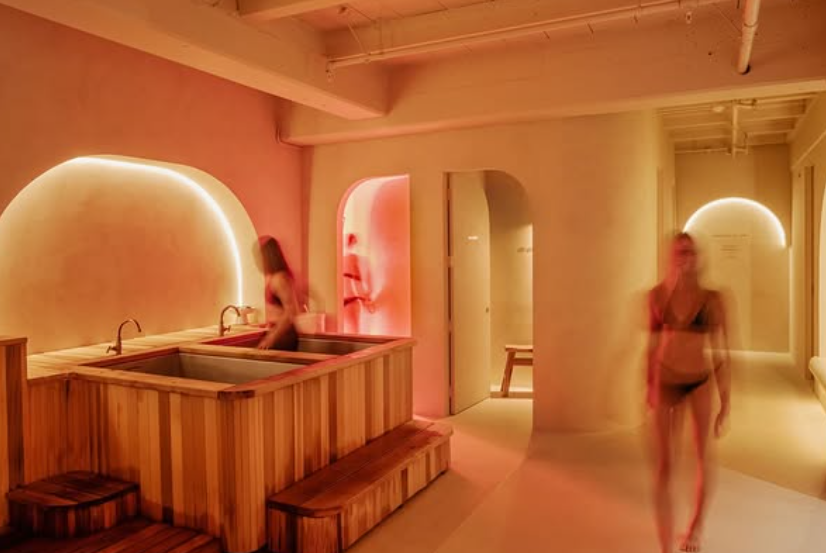
Microcement application
A Continuous Canvas of Light and Texture
Beyond performance, this project reveals microcement's quiet superpower: its relationship with light. The warm, mineral-toned finish absorbs and diffuses illumination with an almost cinematic softness, which the architects exploited by tucking LED strips behind every arched niche and embedding chromotherapy lighting into the recovery sequence. Because the surface is monolithic, each light source becomes a sculptural moment rather than a fixture — a glow that bleeds into the wall instead of bouncing off it. The same material reads as warm gold in the sauna lounge, deep blush under therapeutic red light, and soft amber inside the flotation chamber. Walls, ceilings, steps, benches and reception volumes dissolve into a single sensory envelope, with nothing — no edge, no joint, no transition strip — to interrupt the meditative flow that contemporary wellness design demands.
The End of Tiles, Joints, and Compromise
For too long, designers of wet wellness spaces have been forced to choose between aesthetic ambition and practical durability. Tile delivered performance but fragmented the architecture into thousands of grout lines. Natural stone offered beauty but struggled with constant humidity, staining and movement. Microfinishes' microcement system closes that gap. It delivers the monolithic, sensory, light-responsive architecture that today's recovery and spa clients are asking for — without sacrificing the hygiene, waterproofing and longevity that wet environments demand. SOPRO is the proof: a project where a single surface system carries an entire recovery journey, from the first sweat of the sauna to the final stillness of the flotation pod, as one uninterrupted gesture. The age of tiles, joints and compromise in wellness design is, quite literally, behind us.
Microcement: what every architect and interior designer needs to know before specifying it
Why You Should Never Use Microcement That Is Not 100% Waterproof
Microcement is one of the most versatile and visually compelling finishes available today — seamless surfaces, endless color palettes, and the ability to cover floors, walls, and countertops in a single material.
But its reputation for cracking, staining, and uneven color almost always traces back to one cause: poor application. Here's how to get it right from specification to final seal.
Microcement application
The correct application process — layer by layer
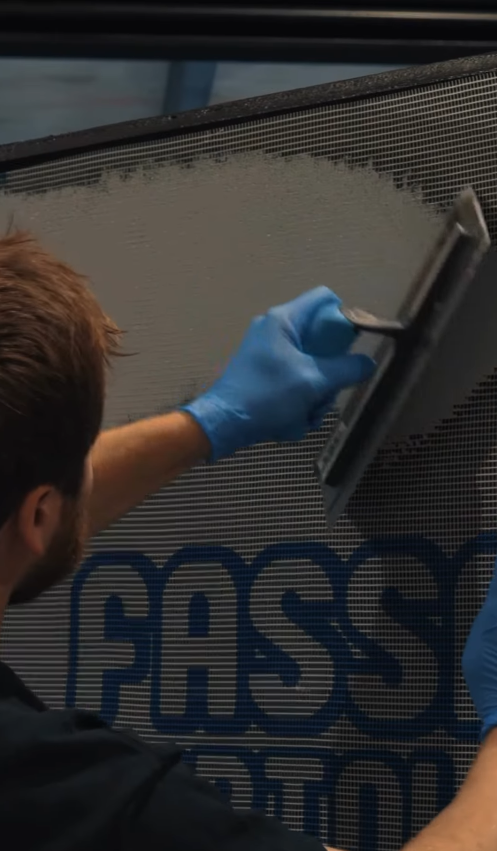
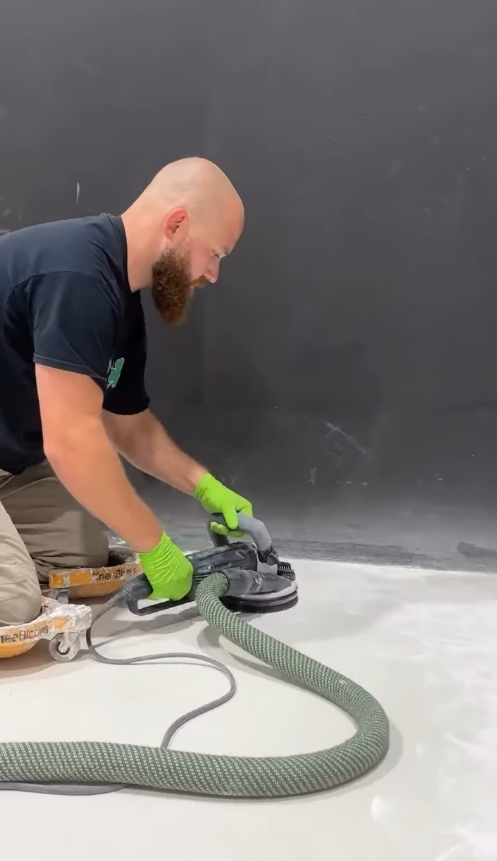
Microcement is a system, not a single product. A successful finish depends on substrate preparation, primer selection, the number of coats, sanding between layers, and sealing — and each step must be done in the right conditions. The substrate must be structurally sound, dry (under 4% moisture), and primed with a compatible bonding agent.
The microcement itself is applied in a minimum of two thin coats using a stainless steel trowel, each allowed to cure before sanding lightly with 120–180 grit to improve adhesion for the next pass. Thickness per coat should stay between 1–2 mm — thicker applications crack. Once the final coat is set, a sealer specifically formulated for microcement is applied in at least two coats to protect against staining and moisture penetration. The entire system typically requires 48–72 hours of curing before light foot traffic.
Specify the number of sealer coats in the project sheet — not just "sealed." Two coats is the minimum for walls; floors in kitchens or bathrooms need three or four, with a matte or satin polyurethane topcoat for daily-use durability.
Microcement application
What goes wrong — and why it always shows up after handover
The most frustrating aspect of microcement defects is their timing: cracks, color patches, stains, and delamination typically appear days or weeks after the finish looks perfect. Cracking almost always signals a substrate problem — movement joints not respected, moisture trapped beneath the primer, or coats applied too thick.
Blotchy or inconsistent color usually means uneven primer absorption, different drying times between areas, or a sealer applied before the microcement was fully cured. Staining — especially on kitchen counters or bathroom floors — means insufficient sealer coats or a sealer not rated for the exposure level. And peeling or delamination points to a primer incompatible with the substrate, or application on a dusty or oily surface.
Never apply microcement in direct sunlight or in areas below 10°C / above 30°C. Temperature and humidity directly affect open time and cure rate — conditions outside this range cause uneven setting that no amount of sealer will fix.
The finish is only as good as the system behind it
Microcement rewards precision. When the substrate is right, the layers are correct, and the sealer is matched to the use case, the result is a surface that ages beautifully and requires almost no maintenance. When any of those steps are shortcut, the problems arrive right as the client moves in. As a designer or architect, specifying not just the product but the full system — primer, compound, coats, sealer grade — is the difference between a finish that defines a space and one that becomes a liability. Our technical team is available to review your specification before application begins.

Microcement for Exterior Applications:
Microcement For Exteriors
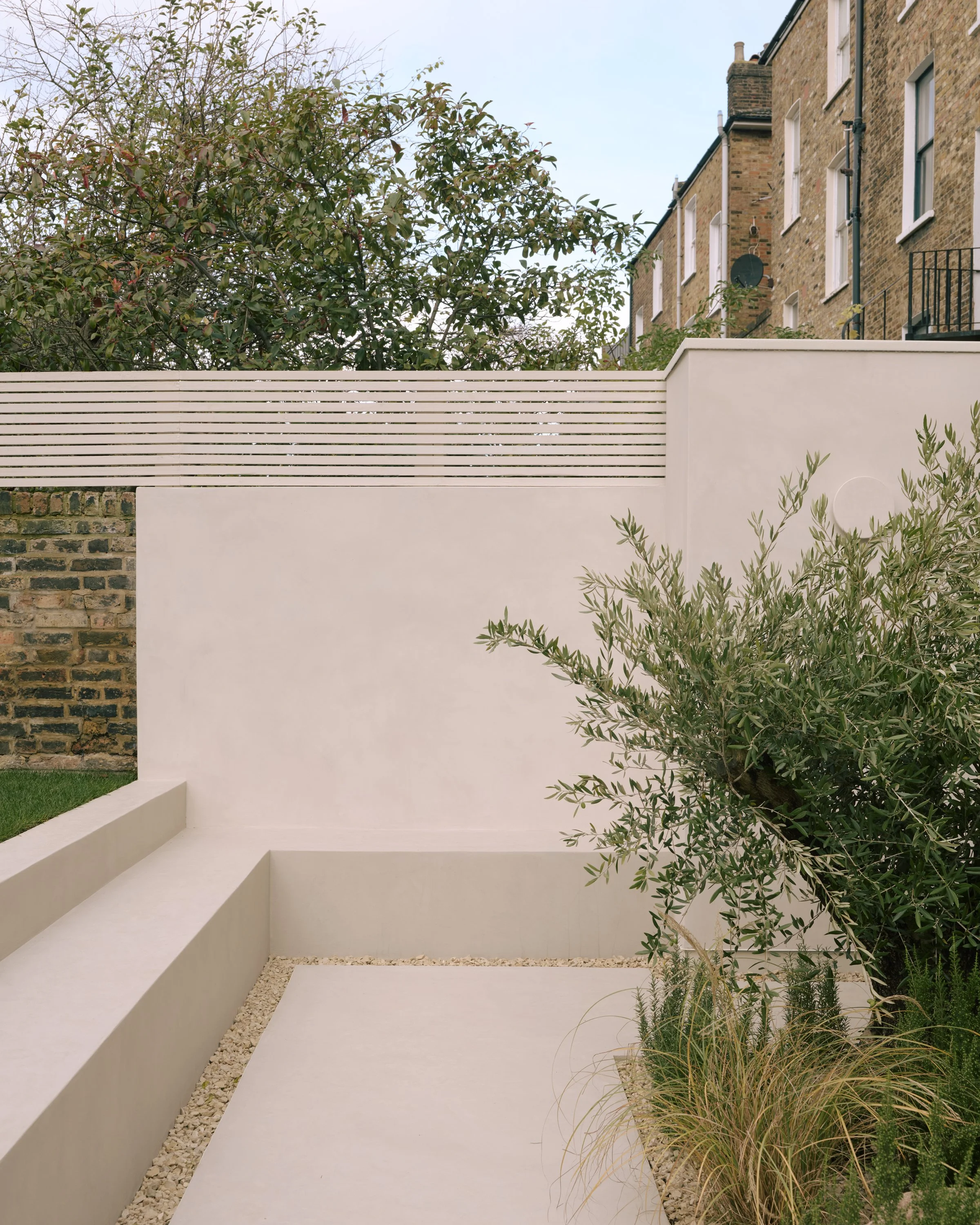
This completed exterior courtyard highlights the power of microcement and architectural plaster to create calm, contemporary outdoor spaces. Delivered by Profile Plastering using high-performance materials from Forcrete, the project demonstrates how seamless finishes can unify architecture, landscape, and circulation into a single, cohesive design.

Project Overview
The scope focused on creating a cohesive exterior courtyard that visually connects the architecture, landscaping, and circulation paths into a single, unified composition. Using microcement and mineral-based plaster systems, the exterior walls, pathways, and built elements were finished in a soft, neutral tone that complements both the surrounding brickwork and natural planting.
The result is a calm, modern outdoor space that feels intentional and timeless—designed to age gracefully while maintaining a clean, architectural presence.

Why Microcement Works for Exterior Applications
Microcement is increasingly specified for exterior projects due to its versatility and performance. Unlike traditional exterior finishes, microcement provides a continuous, joint-free surface that enhances visual flow and reduces long-term maintenance concerns.
Key benefits showcased in this project include:
Seamless appearance that eliminates grout lines and visual interruptions
High durability suitable for exterior exposure and daily foot traffic
Weather resistance with 100% waterproof system
Design flexibility across walls, floors, and architectural elements
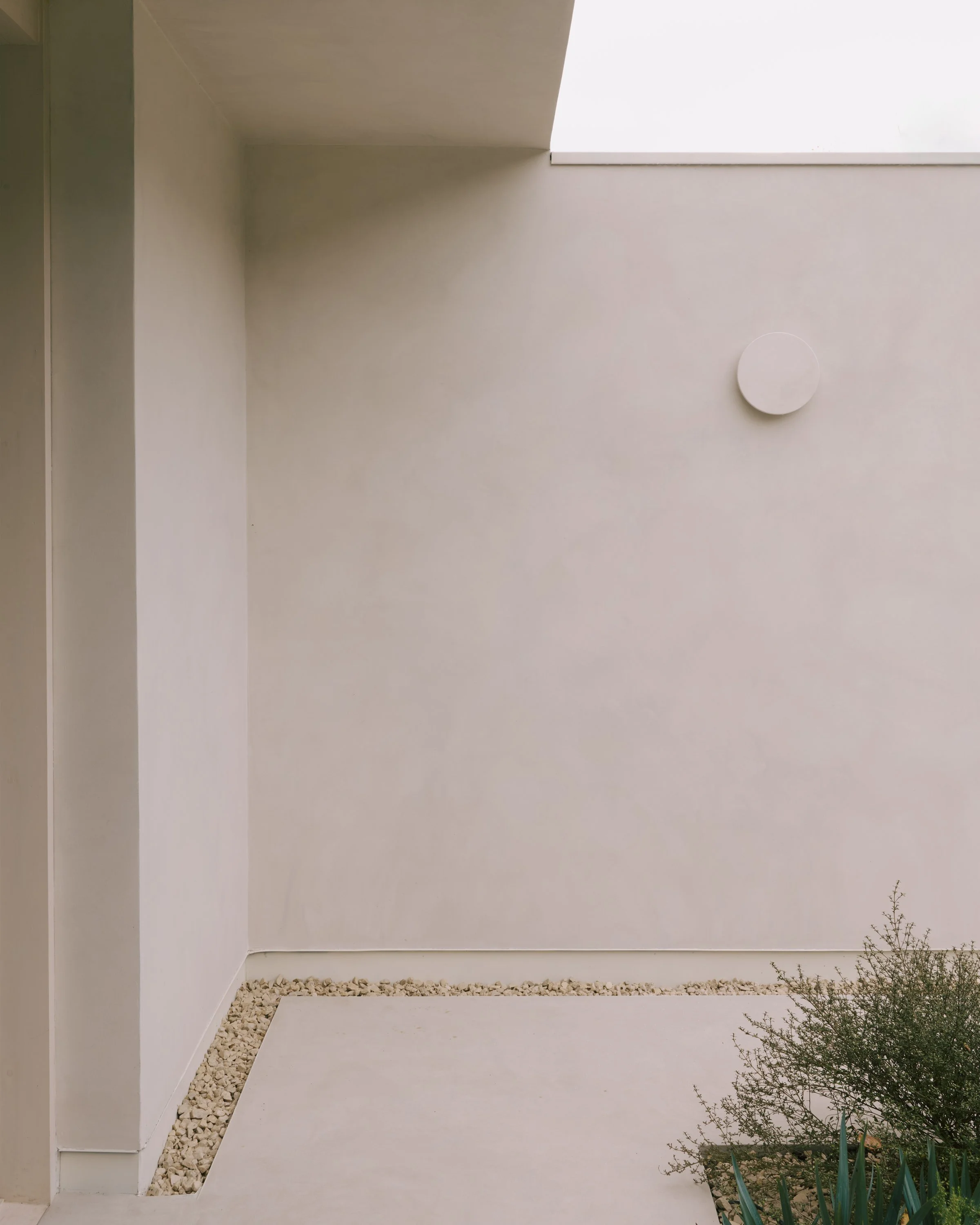
The subtle texture achieved in this application adds depth without overpowering the design, allowing light and shadow to bring the surface to life throughout the day.
Craftsmanship by PROFILE PLASTERING INC.
Execution is everything in microcement and plaster work, particularly outdoors. Profile Plastering’s expertise is evident in the clean lines, consistent finish, and attention to detail throughout the project. From substrate preparation to final sealing, every stage was handled with precision to ensure longevity and performance.
Their craftsmanship highlights how skilled application is essential to achieving a flawless exterior microcement finish.
Material Selection: FORCRETE
The use of Forcrete products played a critical role in achieving both the aesthetic and performance goals of this exterior finish. Known for their high-quality microcement and plaster systems, Forcrete materials provide consistent results, strong adhesion, and long-term durability—key factors for exterior environments.
The chosen system allowed for precise control over colour, texture, and finish, ensuring a cohesive look across multiple surfaces while meeting the technical demands of outdoor use.
www.profileplasteringlondon.com
Installer / @profile_plastering
Material / @forcrete_
Sinks - How Does It Work?
Sinks - How Does It Work?
When it comes to sinks and bathtubs, designers and homeowners often ask the same question: is microcement really safe in constant wet areas? The short answer is that most microcements are not. However, Forcrete is the exception.
Traditional microcement systems rely heavily on surface sealers to achieve water resistance. This means that if the sealer is scratched, worn, or improperly maintained, moisture can penetrate the system—making sinks and bathtubs a high-risk application. For this reason, many manufacturers explicitly exclude these areas from their warranties.
Forcrete changes that equation entirely.
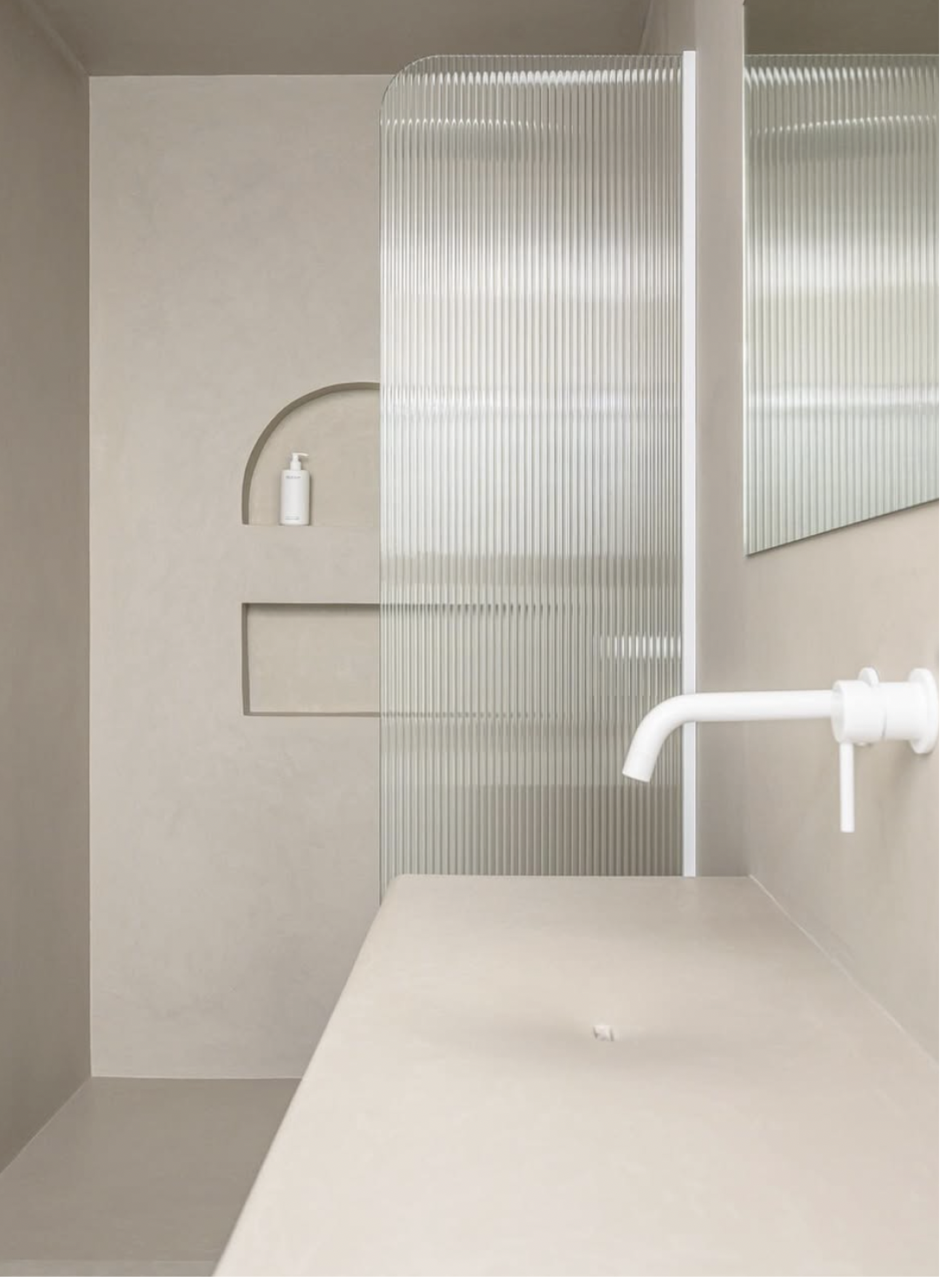
Forcrete is the only microcement system engineered with a 100% waterproof base formula before any sealer is applied. This means the waterproofing is built directly into the material itself—not dependent on a fragile topcoat. Even before sealing, the cured Forcrete surface is inherently water-resistant, making it uniquely suited for continuous water exposure..
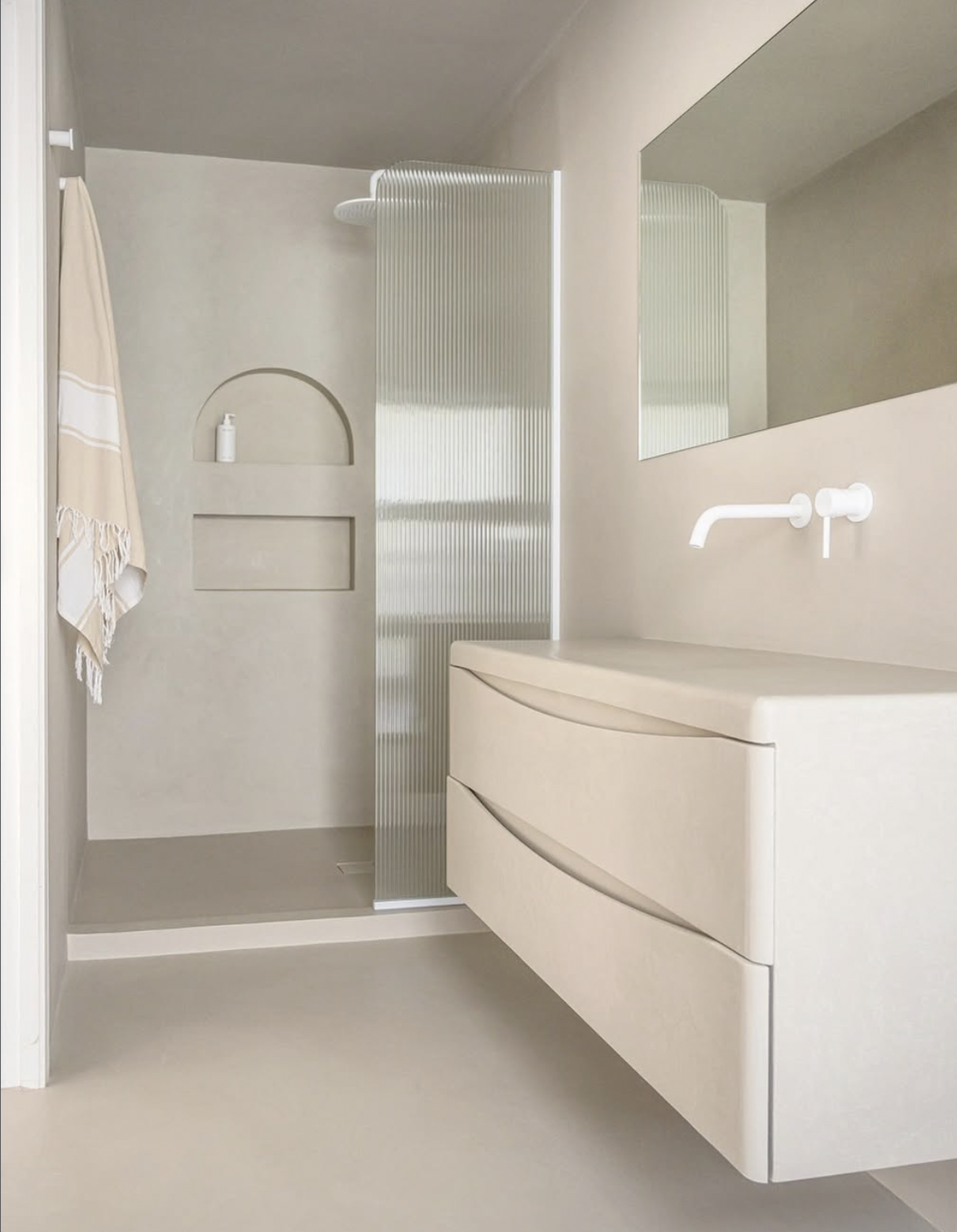
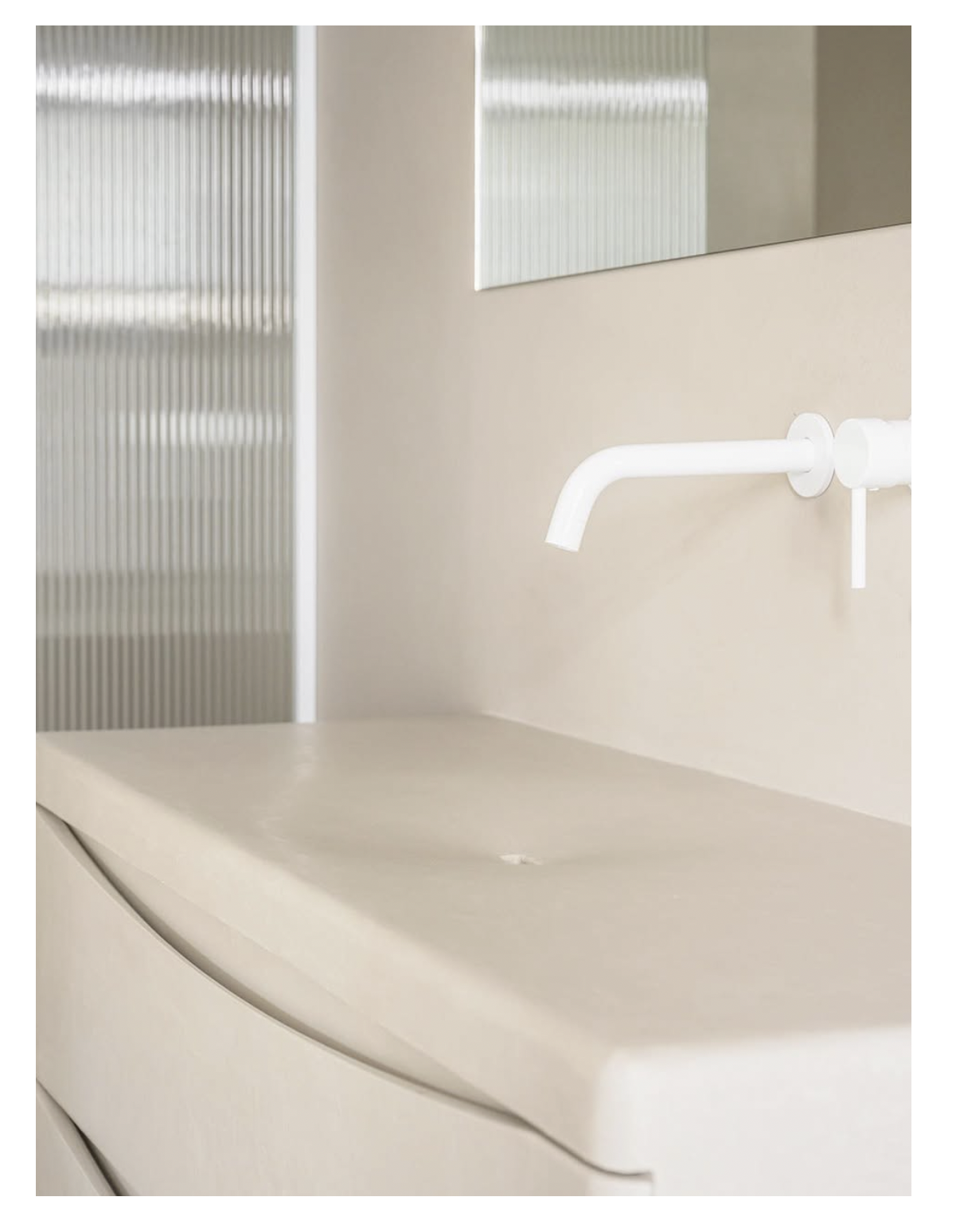
This innovation makes sink basins, integrated vanities, bathtubs, and wet-area details not only possible, but reliable. Water pooling, daily use, temperature changes, and cleaning routines do not compromise the integrity of the system when properly installed. The sealer, in this case, becomes an added layer of protection and stain resistance—not the sole line of defense.
From a design standpoint, this opens the door to fully seamless bathrooms with sculptural sinks, monolithic tubs, and uninterrupted surfaces that are both minimalist and highly functional. From a technical standpoint, it provides peace of mind that the finish is performing at the same level as it looks.
In short, microcement in sinks and bathtubs is only safe when the material itself is waterproof. With its pre-sealer waterproof technology, Forcrete stands alone as the only microcement system with legitimate performance credentials for these demanding applications.
Installer / @beachbreakinteriors
Designer / @limeandconz
Product / @forcrete_
Images / @jay._.drew
Plumbing / @the_plumbing_collective
Hardware / @abiinteriors